
Ocean energy is a powerful force of nature! Waves form as wind blows across the surface of water. As waves rise and fall, they move specially designed devices that capture the motion and drive mechanical energy or hydraulics to produce electricity—just like wind turns a turbine. It’s perpetual, renewable, and always working—day and night—making it one of the most exciting frontiers in clean energy today.


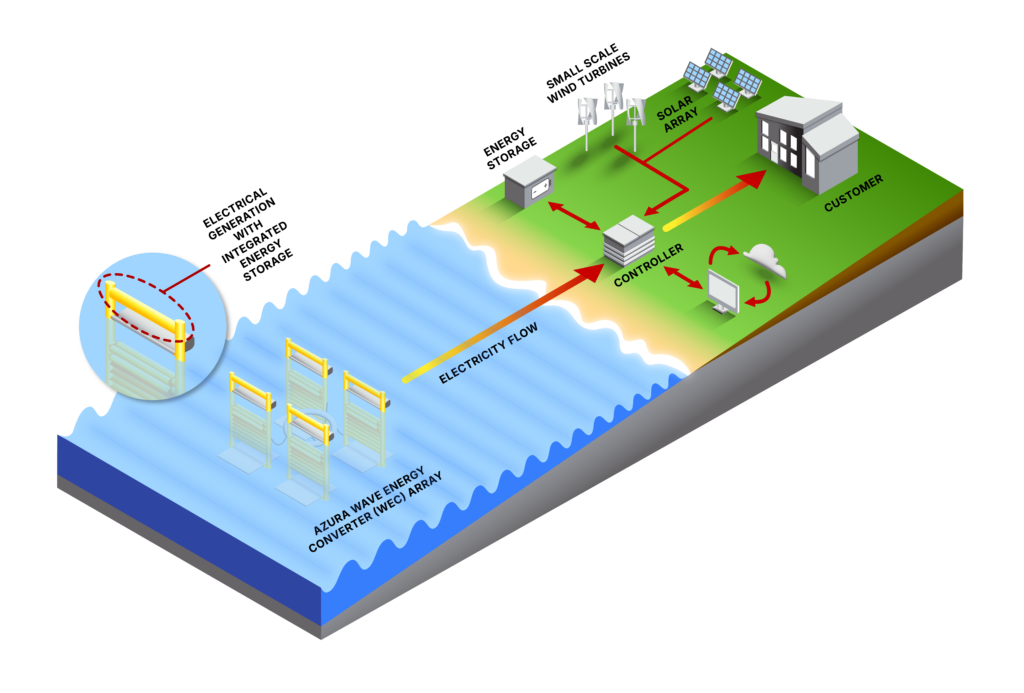
Wave energy is integrated with solar, battery storage and other renewables to supply low-carbon electricity.
Wave energy is complementary with solar and/or wind, other renewables and storage. This is ideal for coastal/island communities and land-based businesses seeking to reduce diesel consumption.
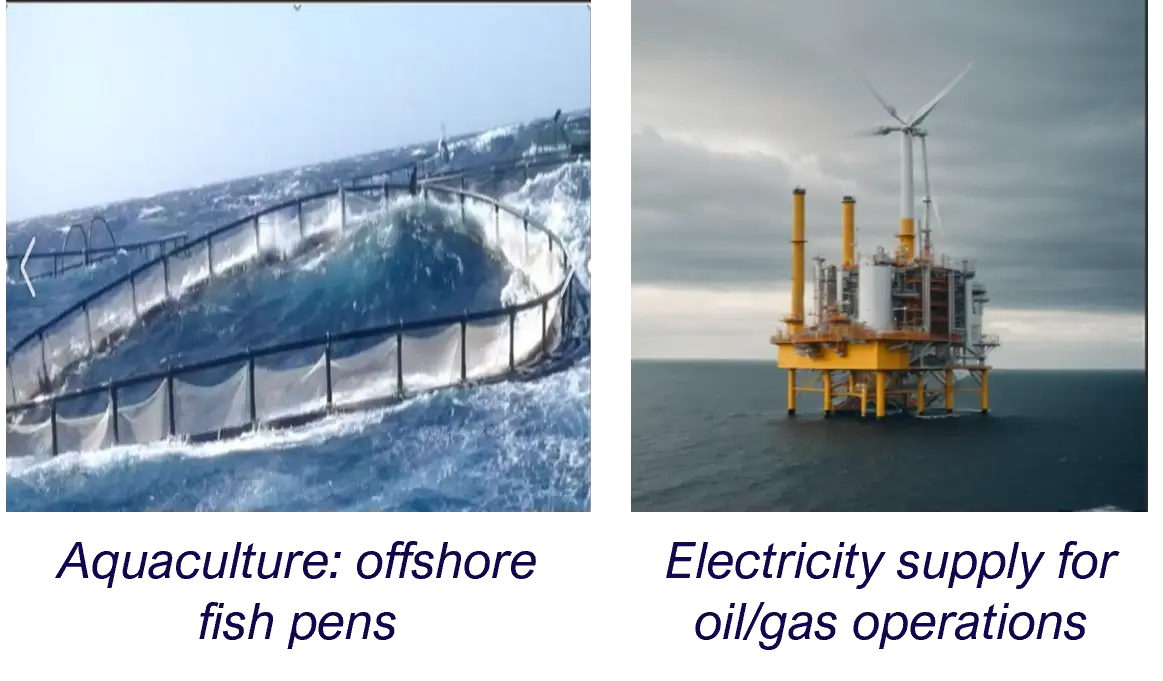
Azura wave devices can deliver low carbon electricity at sea for aquaculture, oil/gas operations, vessel charging stations and wide range of ocean-based operations.
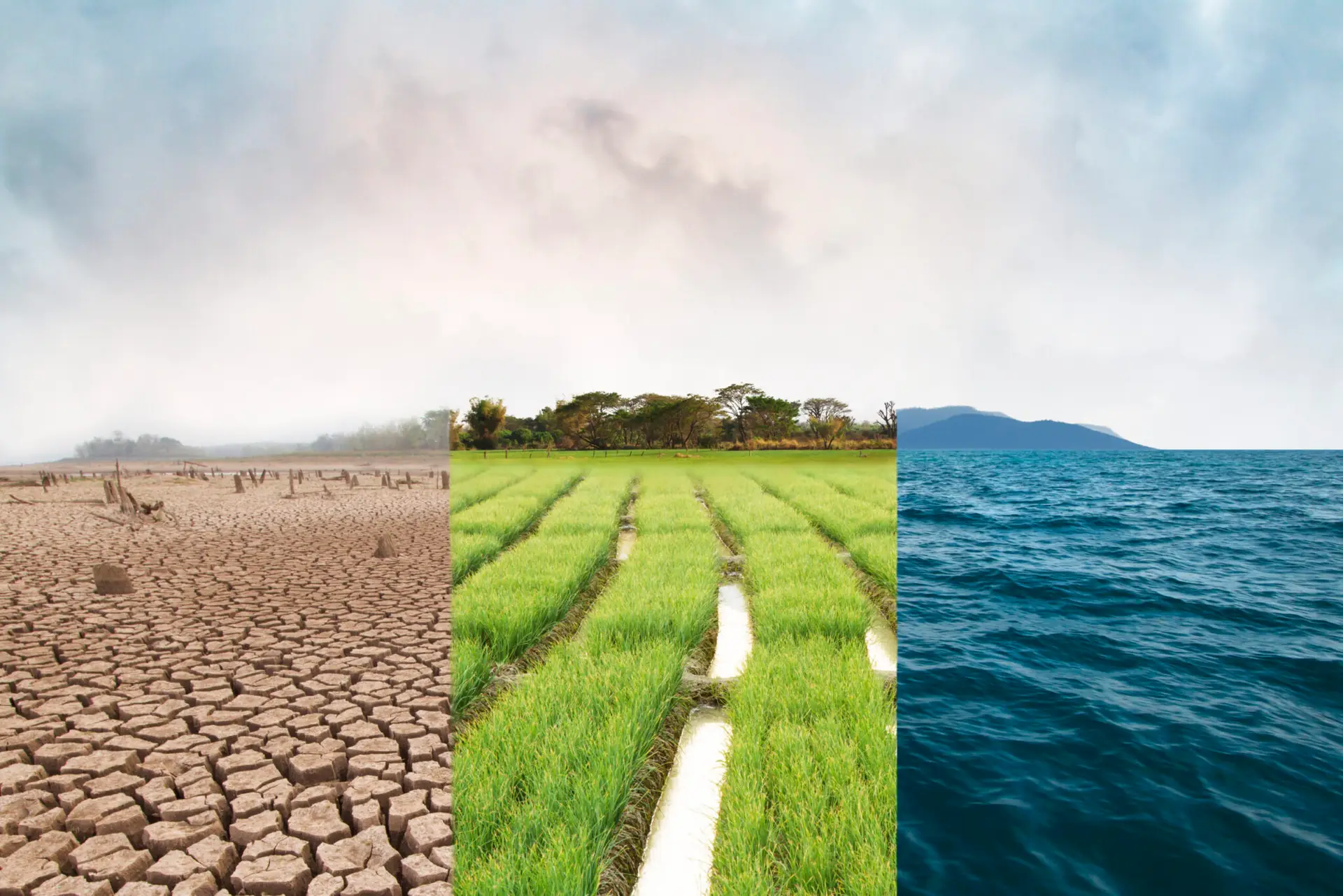
Wave energy is integrated with solar, battery storage and other renewables to supply low-carbon electricity. Wave energy is complementary with solar and/or wind, other renewables and storage. This is ideal for coastal/island communities and land-based businesses seeking to reduce diesel consumption.

Azura wave devices can deliver low carbon electricity at sea for aquaculture, oil/gas operations, vessel charging stations and wide range of ocean-based operations.

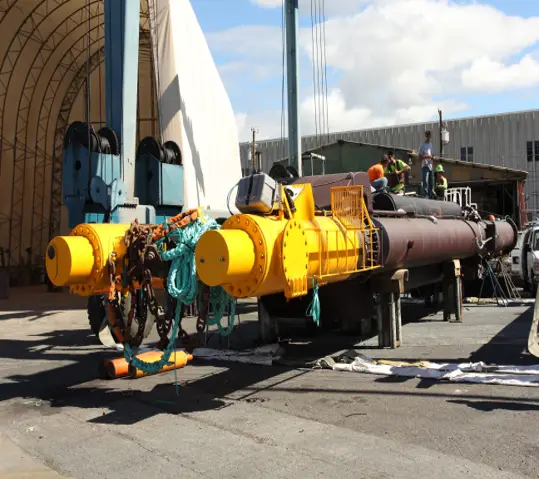
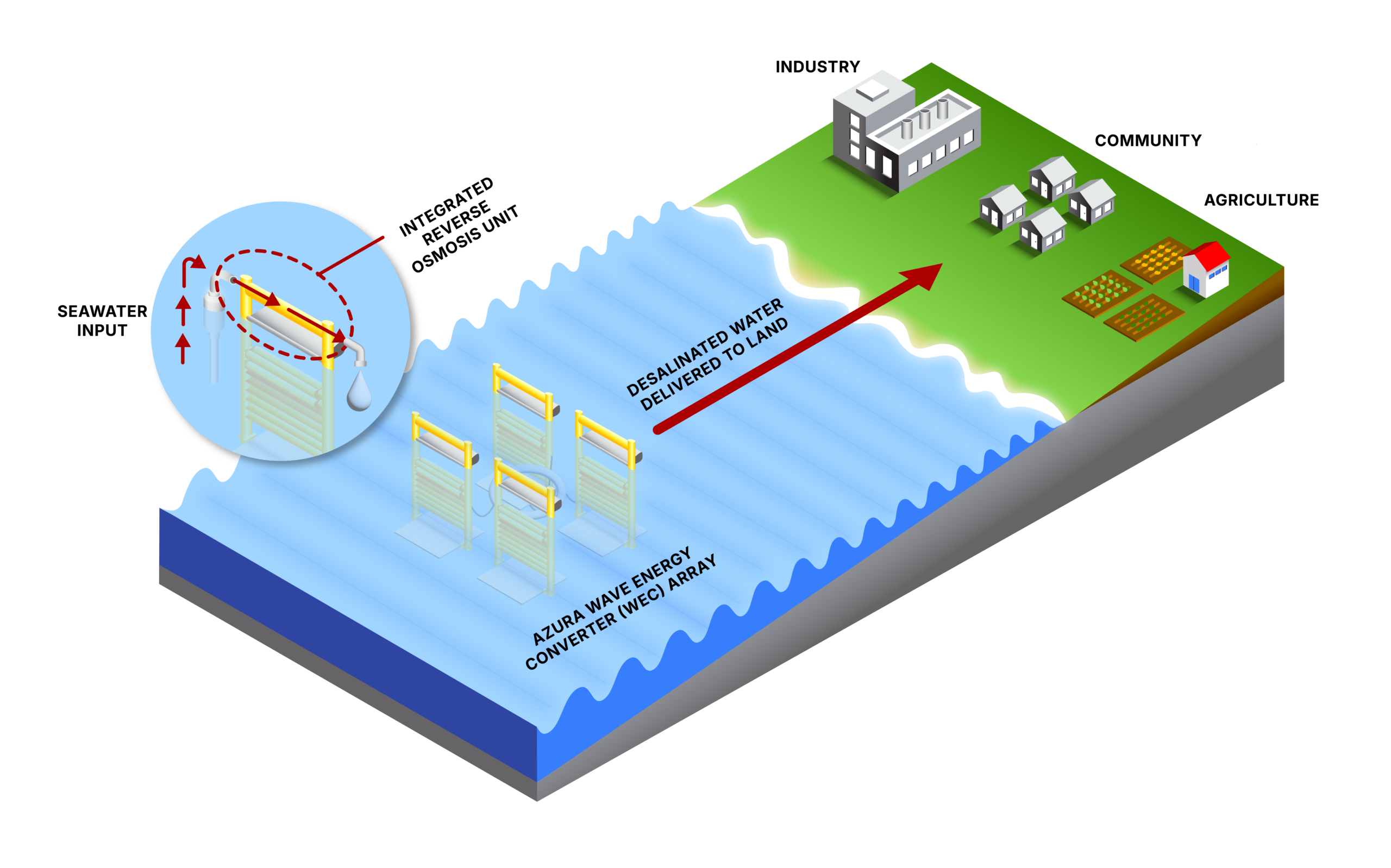
The Azura system combines wave energy conversion technology with a commercial reverse osmosis desalination unit. The Azura wave device captures the kinetic energy from waves and converts it directly into electrical power to drive the desalination process.
Azura’s onboard desalination plant produces freshwater by removing salt and other impurities from seawater. The resulting water is typically:
• Potable (drinkable) – suitable for human consumption,agriculture and industrial uses following appropriate treatments.
• Low in salinity – with salt levels reduced to meet or exceed drinking water standards.
• Free of most minerals and contaminants and low in total dissolve solids

The Azura system combines wave energy conversion technology with a commercial reverse osmosis desalination unit. The Azura wave device captures the kinetic energy from waves and converts it directly into electrical power to drive the desalination process.
Azura’s onboard desalination plant produces freshwater by removing salt and other impurities from seawater. The resulting water is typically:
• Potable (drinkable) – suitable for human consumption,agriculture and industrial uses following appropriate treatments.
• Low in salinity – with salt levels reduced to meet or exceed drinking water standards.
• Free of most minerals and contaminants and low in total dissolve solids

The Azura system combines wave energy conversion technology with a commercial reverse osmosis desalination unit. The Azura wave device captures the kinetic energy from waves and converts it directly into electrical power to drive the desalination process.
Azura’s onboard desalination plant produces freshwater by removing salt and other impurities from seawater. The resulting water is typically:
• Potable (drinkable) – suitable for human consumption,agriculture and industrial uses following appropriate treatments.
• Low in salinity – with salt levels reduced to meet or exceed drinking water standards.
• Free of most minerals and contaminants and low in total dissolve solids
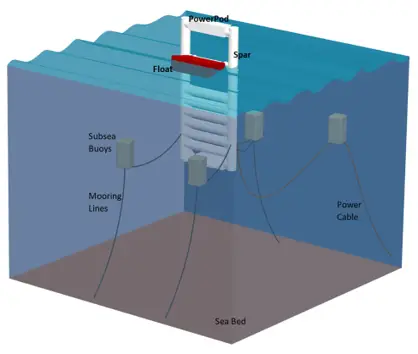
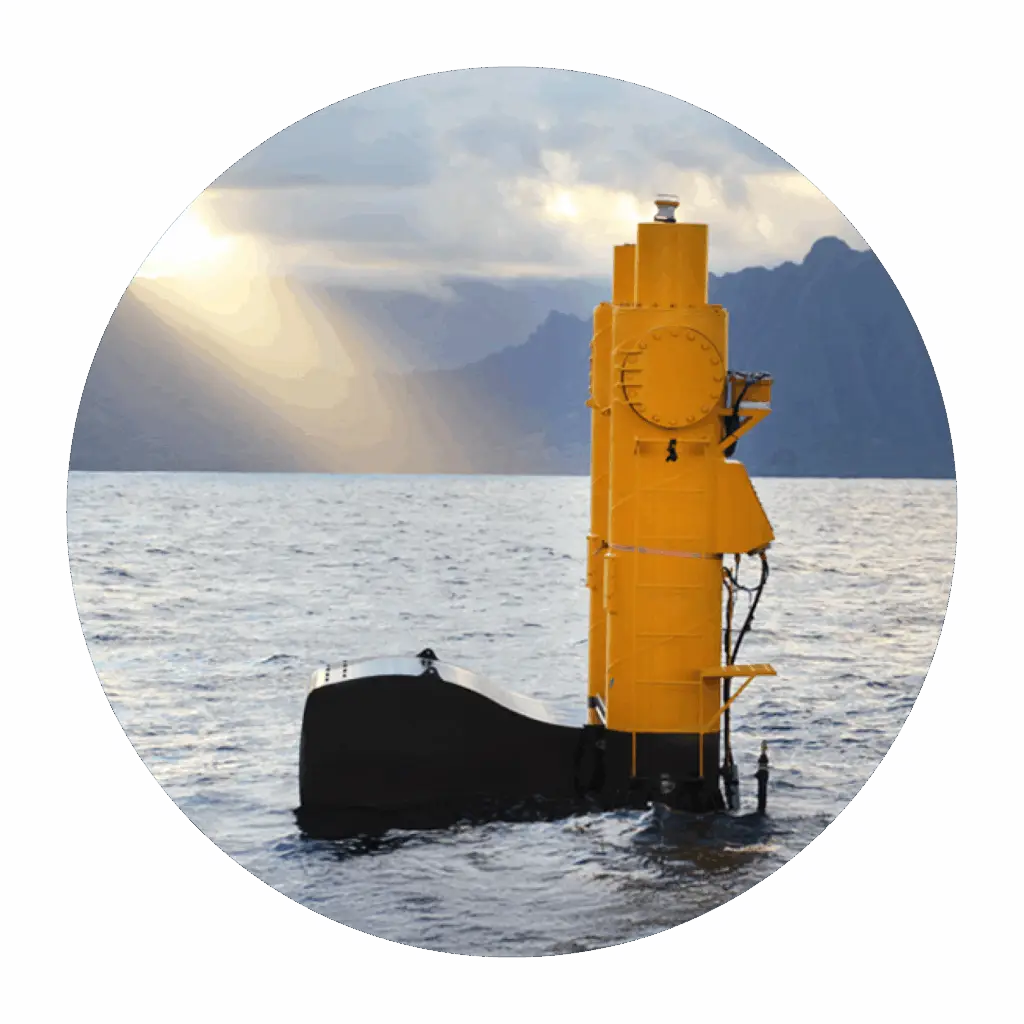
WEC extracts power from both the heave (vertical) and surge (horizontal) motions of waves.

WEC’s are attached to the seabed by a mooring system, including a power distribution cable that transmits the electricity to the end-user.
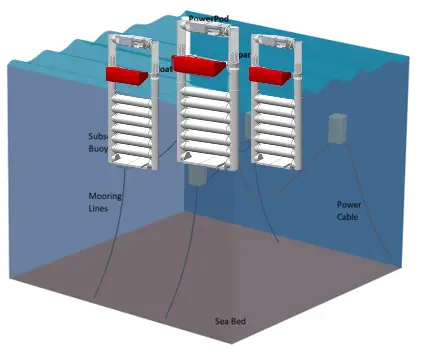
Multiple WEC’s can be connected into an ‘array’ to produce the amount of electricity necessary to meet the end-user’s needs.
WEC extracts power from both the heave (vertical) and surge (horizontal) motions of waves.

WEC’s are attached to the seabed by a mooring system, including a power distribution cable that transmits the electricity to the end-user.

Multiple WEC’s can be connected into an ‘array’ to produce the amount of electricity necessary to meet the end-user’s needs.